Prosecutors and Defense Spar in Final Arguments of Tupac Murder Trial
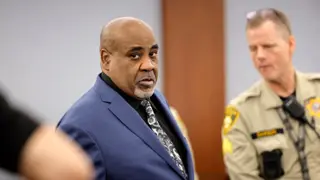
In closing arguments, prosecutors argued that Duane 'Keffe D' Davis orchestrated the 1996 shooting of Tupac Shakur, citing circumstantial evidence beyond his own statements. Defense countered that Davis's stories to police and media were unreliable and that without them, the case lacks evidence. The trial is in Las Vegas, with Davis facing murder charges.
The prosecution's case leans heavily on a chain of events beginning with a gang altercation at a Los Angeles mall, where a Death Row chain was reportedly stolen—an act framed as a deep insult. From there, they trace the retaliation through the MGM Grand beating of Orlando Anderson, captured on surveillance, to the shooting itself. Hotel records placing key figures near the Strip that weekend and testimony from a fearful witness bolster their narrative of a coordinated gang response.
Davis's 2008 proffer interview, given while seeking leniency in a drug case, forms the backbone of the state's argument. He later repeated those claims publicly in a docuseries and his memoir, which allowed the recorded interview to be admitted. The defense maintains those self-serving stories were embellished for profit and attention, arguing the remaining evidence is too thin to support a murder conviction without them.
This trial could shape how the public views the reliability of self-incriminating statements made in media deals and proffer agreements. It may also influence how cold cases are pursued decades later, particularly when witnesses fear retaliation. The outcome could affect confidence in the justice system's ability to handle celebrity-related cases, as observers may see the verdict as either a long-delayed reckoning or a cautionary tale about circumstantial evidence.