Administration halts parasite study amid worst outbreak on record
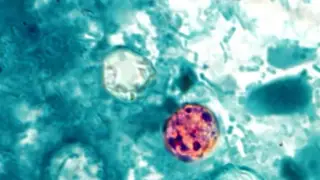
The CDC has reported nearly 30,000 confirmed and probable cases of Cyclospora this summer. The administration has decided to suspend related research. This decision comes during a record-breaking outbreak.
The Centers for Disease Control and Prevention has logged roughly 30,000 confirmed and probable Cyclospora infections since the start of summer, marking one of the largest parasitic outbreaks ever tracked in the United States. The parasite, typically contracted through contaminated produce, has placed significant strain on public health surveillance systems that rely on rapid data sharing and laboratory reporting.
In a move that has drawn attention within the public health technology community, the administration has paused the federal research program tied to this pathogen. The suspension arrives precisely as case counts reach historic highs, leaving digital dashboards and epidemiological models without a key source of ongoing study data. The decision raises questions about how agencies prioritize research continuity during active health emergencies.
This halt could slow the development of faster detection tools and data pipelines that help trace contaminated food sources, potentially leaving consumers and health departments with fewer analytical resources during a peak season. State and local agencies may face added pressure to fill gaps with their own systems. The broader impact may be felt in public trust, as communities watch research pause while infections climb.