Attribution Science Under Legal Attack in Climate Liability Fight
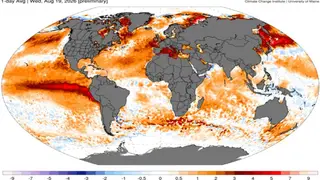
Attribution science is increasingly used to link specific emissions to climate damages, potentially holding fossil fuel companies liable. However, legal challenges question the ability to prove direct causation from a company's emissions to specific weather events. The article highlights the ongoing debate over the role of science in climate litigation.
The legal strategy employed by fossil fuel defense attorneys draws directly from tobacco litigation playbooks, emphasizing the difficulty of establishing proximate cause between a single company's emissions and a specific weather disaster. The Palsgraf case remains central to this argument, requiring plaintiffs to demonstrate foreseeability and a direct causal chain.
Christopher Callahan's August 2026 study in Earth's Future represents a potential turning point, as it attempts to quantify how cumulative carbon dioxide emissions from individual fossil fuel producers contribute to extreme heat and rainfall risks. This research could provide the scientific foundation courts need to evaluate liability claims, though the legal standard remains demanding.
This legal-scientific clash could reshape how climate damages are assigned and compensated. If courts accept attribution studies as sufficient evidence of causation, fossil fuel companies may face significant financial liability for weather-related harms. Conversely, if legal challenges succeed, it could slow climate litigation nationwide. Communities already experiencing extreme weather events may be most directly affected, as their recovery options could hinge on whether scientific attribution meets courtroom standards.