Brussels halts Brazilian animal product imports over antibiotic rules
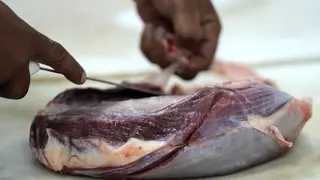
The European Union will suspend imports of Brazilian meat, poultry, eggs, and honey starting Thursday, citing insufficient guarantees on antibiotic use in livestock. The European Commission said Brazil has not met EU standards, and no timeline for resumption was given. An audit of Brazil's poultry and honey sectors is due to conclude Friday, which could allow some exports to resume if findings are positive.
The suspension stems from Brazil's placement in May on an EU watchlist for countries failing to meet antimicrobial-use standards. The bloc prohibits growth-promoting antibiotics in livestock and restricts use of drugs essential for human medicine, part of a broader strategy against antimicrobial resistance. An EU audit of Brazilian poultry and honey operations concludes Friday, and positive findings could allow those sectors to resume exports within weeks, while beef would take longer.
Brazil supplied over 92,000 tonnes of beef to the EU in 2025, valued at roughly 713 million euros, making it the bloc's second-largest beef supplier. The timing is politically sensitive, following the January 2026 EU-Mercosur free trade agreement that drew criticism from European farmers. A Brazilian farmer acknowledged that lower production costs give Brazilian producers a competitive edge over European counterparts.
This suspension could strain EU-Brazil trade relations and affect Brazilian producers who depend on European market access, potentially causing short-term economic disruption in the poultry, beef, and honey sectors. European consumers may see reduced supply of certain products, though alternative suppliers exist. The move may reassure European farmers concerned about competition from Mercosur imports, while reinforcing EU standards on antibiotic use—a public health issue that resonates with consumers concerned about antimicrobial resistance.