Record breeding season lifts critically endangered parrot population past 300
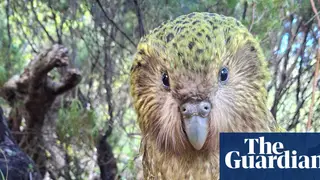
Ninety kākāpō chicks were added to the population on 1 September, bringing the total to 325, the highest number since recovery efforts began in 1995. The breeding surge followed a heavy fruiting of rimu trees, which occurs only every few years and triggers reproduction in these flightless, nocturnal parrots. Conservation officials noted that the population may not have exceeded 300 birds in about 75 years, and the increase marks a significant milestone for a species once nearly wiped out by introduced predators.
The kākāpō’s recovery hinges on the irregular mast years of rimu trees, which produce heavy berry crops only every few years. This season’s bumper fruiting ended a four-year breeding drought, yielding ninety chicks that reached independence at roughly 150 days old. The species remains confined to three predator-free islands, where conservationists manage genetic diversity, infertility, and low hatching rates. Males gather in leks, emitting deep booms that travel up to five kilometres, while females alone raise the young. The youngest chick, Awarua-A3, hatched on 30 March, and officials already anticipate another breeding attempt as early as 2028.
This milestone could shift public perception of endangered-species recovery, demonstrating that patient, science-led intervention can reverse near-extinction. The kākāpō’s charismatic appeal—evident in over 100,000 live-stream viewers—may strengthen grassroots support for habitat protection and predator control across New Zealand. However, the species’ reliance on sporadic rimu fruiting means future gains remain fragile, and climate-driven changes to forest cycles could disrupt breeding patterns. The success may also encourage similar conservation funding for other vulnerable native birds, though outcomes will depend on sustained ecological monitoring and adaptive management.