Study Reveals Thousands of Untested Chemicals in Food Packaging
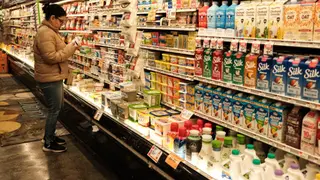
A new peer-reviewed study found that over 1,000 chemicals used in food packaging are linked to serious health risks, while the vast majority lack sufficient data to assess their safety. The research highlights a regulatory gap where many substances are not properly tested before use, leaving consumers unaware of potential contamination. Independent scientists often lack access to necessary information to evaluate these chemicals.
The study analyzed more than 15,000 chemicals used in food processing and packaging, drawing from regulatory lists in the US, China, Japan, Europe, and South America. Of these, 1,222 were flagged for serious health risks including cancer and reproductive harm, while 87 percent lacked sufficient accessible data for independent safety assessment. Researchers ranked 94 chemicals as highest priority because they are known to migrate into food and have been detected in human samples such as breast milk and blood.
These Tier 1 substances include PFAS "forever chemicals" used in grease-resistant wrappers and styrene, a likely carcinogen found in takeout containers and refrigerated dairy packaging. The study's authors note that regulators approved many of these substances without requiring comprehensive safety testing, and independent scientists often cannot access the data needed to evaluate them properly.
This research could affect virtually every consumer, since food packaging touches nearly all purchased food products. The findings may pressure regulators to reconsider approval processes and could prompt manufacturers to voluntarily phase out the highest-risk chemicals. Public awareness might grow as people learn that safety assessments for packaging materials are less rigorous than commonly assumed, potentially driving demand for stricter oversight and more transparent testing requirements.