Beijing issues veiled warning over Taiwan's participation at Pacific Islands Forum
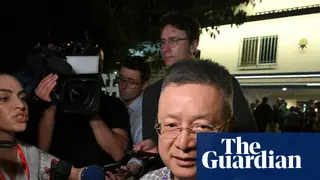
China's special envoy for Pacific island affairs, Qian Bo, said there would be consequences for Taiwan's attendance at the Pacific Islands Forum in Palau, though he did not specify what they would be. Australia and New Zealand responded that the forum itself decides participation, not external countries. Taiwan's foreign minister said the island was honored to serve as a partner in the Pacific.
The Pacific Islands Forum in Palau drew attention to Beijing’s ongoing efforts to isolate Taiwan diplomatically, with only Palau, Tuvalu, and the Marshall Islands still maintaining formal ties. Several regional leaders, including those from Fiji and Vanuatu, skipped the summit, sending ministers instead. Australia and New Zealand publicly rejected China’s implied pressure, asserting the forum’s independence in deciding participants. Taiwan’s foreign minister framed the island’s role as a cooperative development partner, not a formal dialogue partner like China or the United States.
The dispute unfolded against a backdrop of heightened great-power competition in the South Pacific. Australia, New Zealand, and the U.S. have recently increased security and infrastructure commitments, including a joint plan to upgrade a World War II-era port in the Cook Islands. China’s envoy declined to specify what “consequences” might follow, leaving observers to speculate about potential economic or diplomatic measures.
This episode could sharpen divisions within the Pacific Islands Forum, as member states balance diplomatic ties with China against existing relationships with Taiwan and Western partners. Smaller island nations may feel caught between competing pressures, potentially complicating regional consensus on climate and development priorities. The warning, though vague, may also influence how other countries approach Taiwan’s participation in multilateral gatherings, reinforcing a broader trend of geopolitical friction in the region. However, the forum’s explicit rejection of external interference suggests institutional resilience, though long-term cohesion remains uncertain.