Resilient Mediterranean Sponge Shows Promise for Port Pollution Remediation
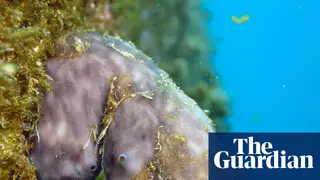
In a two-year experiment at Marina Palamós on Spain's Costa Brava, researchers transplanted several sponge species into polluted harbor waters, and only the chicken liver sponge survived. Its resilience, along with the appearance of red starfish, suggests sponges could filter pollutants and enhance biodiversity in heavily disturbed marine environments. Scientists are now exploring the sponge's potential as a natural tool for renaturalizing ports worldwide.
The experiment involved transplanting five common Mediterranean sponge species into Marina Palamós, with specimens collected roughly 30 kilometers south of the harbor. Over 15 months, researcher Carlota Escarré conducted regular dive inspections every 20 to 64 days, documenting that red encrusting, leather, and stinker sponges all shrank and perished, while nearly 92 percent of chicken liver sponges survived—some even reproducing asexually, expanding from 24 to 40 individuals.
Sea sponges rank among Earth's oldest ecosystem engineers, capable of filtering pollutants from vast water volumes while cycling nutrients. They also attract marine life such as worms and crustaceans that inhabit their structures. Ports rank among the most disturbed marine environments globally, facing accumulated rubbish, oil, invasive species from ship traffic, and persistent noise pollution, making the sponge's demonstrated hardiness particularly significant for potential renaturalization efforts.
This research could reshape how ports approach environmental remediation, offering a low-cost, nature-based alternative to industrial cleanup methods. Harbor authorities worldwide may adopt sponge transplantation programs to filter pollutants and boost biodiversity in degraded waters. Coastal communities and fishing industries could benefit from healthier port ecosystems, while marine conservation groups may gain a practical tool for restoring heavily disturbed habitats. However, broader application depends on further testing across different port conditions and pollutant profiles.