Climate change may revive yellow fever risks in the United States
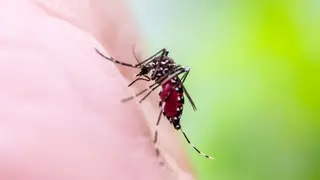
Yellow fever, once suppressed by vaccines, is reappearing in regions that had been free of the disease for decades. Warmer temperatures and extreme weather are expanding the range of Aedes aegypti mosquitoes that transmit the virus. Experts warn that the United States could face new outbreaks as conditions become more favorable for the disease.
The 2017–2018 outbreak in Belo Horizonte marked Brazil's first urban yellow fever episode in nearly a century, signaling how quickly the disease can return to populated areas. Aedes aegypti mosquitoes drive urban transmission, and warming temperatures accelerate both their biting frequency and the virus's replication cycle inside them, shortening the window before an infected mosquito can transmit the virus to humans.
Yellow fever's natural reservoir in howler monkeys means spillover events occur when infected mosquitoes bite humans, and deforestation and shifting weather patterns are bringing these populations into closer contact. The WHO's 2026 elimination strategy reflects growing urgency, as severe cases carry a fatality rate between 20% and 50%.
The reemergence of yellow fever could place new burdens on public health systems in regions previously considered low-risk, particularly in the southern United States where Aedes aegypti populations are expanding. Travelers, outdoor workers, and communities near primate habitats may face elevated exposure, while healthcare providers could encounter unfamiliar symptoms. Vaccine supply and distribution logistics may become strained if outbreaks emerge in multiple locations simultaneously, potentially affecting insurance costs, tourism, and local economies in vulnerable areas.