Top Sleep Wearables for 2026: From Rings to Mattress Covers
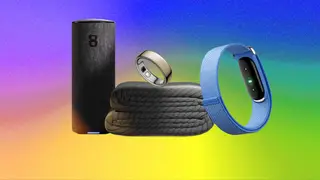
A comprehensive review of sleep tracking devices highlights a shift from passive monitoring to AI-driven coaching and personalized recommendations. The author tested wearables, smart rings, and mattress covers over extended periods to assess comfort, data reliability, and long-term app usefulness. The guide emphasizes that these tools should support better sleep without causing anxiety or pressure.
The evaluation process for these devices is notably rigorous, requiring continuous wear for at least one month to assess long-term comfort and the durability of the app's usefulness. Testers compare data across multiple devices simultaneously, focusing on metrics like sleep stages, heart rate variability, and blood oxygen levels, while also judging physical comfort across different sleeping positions. The review highlights a critical industry trend: the move toward AI-driven coaching, which aims to translate raw data into actionable habit changes.
However, this technological advancement brings a potential drawback, as the increased prescriptiveness of these tools could inadvertently foster anxiety or perfectionism in users. The guide stresses that the ideal device should act as a supportive aid, not a directive authority. It also notes that many advanced features are locked behind subscription fees, making the ongoing cost a significant factor in determining a product's overall value and long-term viability for the consumer.
This guide reflects a broader societal shift toward quantified self-care, where personal health is increasingly managed through data. The focus on AI coaching could empower individuals to make more informed lifestyle choices, potentially improving public health outcomes. However, it may also create a demographic of users who become overly reliant on technology for basic well-being, leading to heightened anxiety if metrics are poor. The emphasis on comfort and non-prescriptive design suggests a market maturing to address these psychological concerns.