Restaurant ordering pioneer proposes a 'second party' model to bridge delivery apps and direct orders
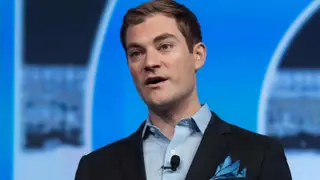
The founder of restaurant commerce platform Olo, which powers ordering for over 800 brands, argues that restaurants face a binary choice between costly third-party delivery apps and expensive first-party apps. He proposes a 'second party' model that would combine the reach of marketplaces with the ownership of direct relationships. The article outlines the history of digital ordering and the need for a new approach.
Olo’s platform processes orders for major chains like Shake Shack and Five Guys, giving its founder direct insight into how restaurants juggle delivery apps and their own channels. The article notes that 82% of brands raise menu prices on third-party marketplaces to offset commissions, with many markups reaching 20–30%. First-party apps, meanwhile, can cost up to $100 per new guest acquisition, yet most users rarely reopen them. The proposed “second party” model borrows from Shopify’s Shop App, which lets independent retailers share infrastructure while keeping customer data. This approach would let guests carry preferences and payment details across participating restaurants, potentially eliminating generic promotions and markups.
This proposal could reshape how small restaurants balance profitability with customer loyalty. If adopted, it may reduce reliance on high-commission delivery apps, lowering costs for owners and possibly stabilizing menu prices for consumers. However, success depends on whether independent brands can coordinate a shared network without ceding control to a dominant platform. Guests might benefit from more personalized ordering, but the model’s impact hinges on widespread participation and trust—factors that could take years to materialize.