Hotel Restaurants Aim to Be Neighborhood Destinations, Not Just Guest Amenities
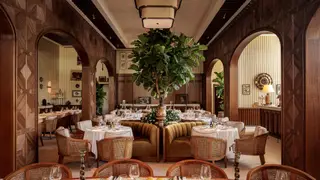
Hotel restaurants are evolving from guest conveniences into standalone attractions that draw local customers. Accor's Paris Society platform exemplifies this shift, with its CEO noting that strong food and beverage offerings can generate more than half of a hotel's non-room revenue. Skift Research shows that 71% of travelers plan to spend on culinary experiences in 2026, making dining the top experience category.
Paris Society operates more than 90 venues globally, combining over 50 F&B brands with consulting services that guide hotel owners from initial strategy through opening day. Its footprint extends beyond Ennismore properties to standalone restaurants and hotels run by other groups, reflecting a broader industry push to treat dining as an independent revenue engine rather than a guest amenity.
The Delano Miami Beach partnership illustrates this approach in practice: established restaurant concepts like Gigi Rigolatto and Mimi Kakushi are integrated into the property, giving the hotel a recognizable culinary identity before guests even arrive. Accor's 2025 report on food and drink's power in hospitality further documents how experiential dining now shapes traveler connections to both hotels and their surrounding destinations.
This shift could meaningfully reshape urban hospitality economics, as hotels increasingly compete with independent restaurants for local diners' discretionary spending. Neighborhood residents may benefit from higher-quality dining options and more vibrant public spaces, while independent restaurateurs could face intensified competition from hotel-backed concepts with deeper capital reserves. Travelers may also find that culinary offerings increasingly influence hotel selection, potentially raising expectations across price tiers and pressuring smaller properties to invest in F&B capabilities they previously deprioritized.