Court Win for AT&T-Time Warner Merger Proved Hollow, Offering Lesson for Paramount
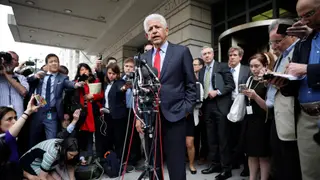
The 2018 antitrust trial over AT&T's acquisition of Time Warner pitted government views of the current market against the companies' vision of future disruption. Many studio veterans sought to finalize the deal and cash out, while others feared cultural clashes with new ownership. The case also raised suspicions that President Trump's hostility toward CNN influenced the legal challenge.
The courtroom clash hinged on two irreconcilable futures: government lawyers argued from existing market realities, while the merging companies projected an industry on the verge of transformation. The verdict would decide control of a sprawling entertainment empire, with implications reaching far beyond the boardroom.
Inside the company, sentiment split sharply. Many longtime executives welcomed the prospect of cashing out their stakes, while those remaining worried about how new corporate overlords might reshape the creative culture. Meanwhile, observers questioned whether the lawsuit stemmed from genuine antitrust concerns or from presidential hostility toward CNN's reporting, adding a political dimension to the legal proceedings.
This case may influence how future media consolidation is evaluated, potentially reshaping the competitive landscape for streaming and traditional television. Consumers could see effects in programming diversity and subscription pricing if merger precedents shift. The outcome also may affect how companies weigh political risks when pursuing major acquisitions, and it could inform how regulators approach similar deals in an era of rapid technological change.