NFL Teams Keep Four Quarterbacks to Protect Young Talent and Trade Value
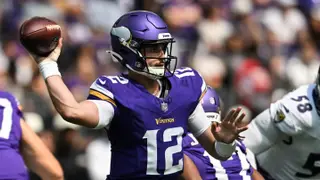
At least five NFL teams, including the Vikings, Steelers, Falcons, and Eagles, kept four quarterbacks after cutdown day, often to protect developmental rookies from waivers. The Vikings waived Max Brosmer a day later, illustrating the waiver dynamics. Keeping extra QBs strains game-day roster flexibility, as only 46 players can dress.
The trend of carrying four quarterbacks reflects a strategic shift in roster management, where teams prioritize protecting developmental assets over immediate depth elsewhere. Minnesota's decision to waive Max Brosmer a day after the initial cutdown highlights how waiver-wire timing matters—rosters are less flexible post-cutdown, making young passers safer bets to clear. Philadelphia's approach is notably transactional: signing veteran Andy Dalton was partly designed to create trade leverage for Tanner McKee, who enters a contract year after being supplanted by rookie Cole Payton in the pipeline.
The cost of this quarterback-heavy approach is real, as only 46 players dress on game days. Quarterbacks offer no special teams value, forcing teams to sacrifice roster flexibility in other areas. Meanwhile, the Jets' Cade Klubnik—once the nation's top quarterback recruit out of Westlake High School—won the backup job behind Geno Smith, beating out veteran Bailey Zappe, though his college scheme left him with a significant development curve.
This roster strategy could reshape how teams evaluate quarterback depth across the league, potentially influencing waiver-wire activity and trade markets as franchises hoard young signal-callers. Fans may see more experienced veterans shuffled between practice squads and active rosters, while teams with surplus quarterbacks could gain leverage in trade negotiations. The trend may also pressure general managers to weigh long-term development against immediate game-day needs, affecting special teams quality and overall roster balance.