BT's retired copper phone lines become a $2.7 billion scrap goldmine
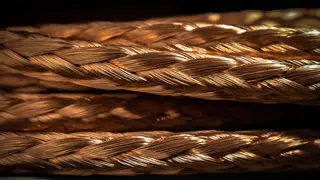
As the UK transitions to full-fiber broadband, BT is recycling its legacy copper network, now valued at over £2 billion due to surging copper prices. Rising demand from AI data centers and electrification has boosted the metal's worth. BT has already recovered thousands of tons and received £99 million upfront from a recycling partner.
Openreach's copper recovery program is tied directly to its nationwide fiber rollout, which targets 30 million premises by decade's end. The company has pulled more than 22,000 metric tons of copper since 2023, with nearly 10,000 tons collected in its latest financial year alone. The metal's valuation jumped from roughly £1.5 billion to over £2 billion as global demand intensified.
The recycling arrangement with EMR includes an upfront payment of £99 million, giving BT immediate revenue while the partner handles processing. Meanwhile, rising scrap values have created a security problem, prompting Openreach to tag certain cables with synthetic DNA and UV tracers to deter theft rings that have knocked neighborhoods offline.
This story could signal a broader shift in how legacy infrastructure is valued as economies electrify and digitize. Communities may face temporary service disruptions during both the fiber transition and copper thefts, while BT could see a meaningful revenue stream that offsets network upgrade costs. The trend may also encourage other telecoms worldwide to reassess their own retired copper assets, potentially affecting scrap markets and recycling industries globally.