G20 finance chiefs reach near-unanimous deal, but Russia and China divisions linger
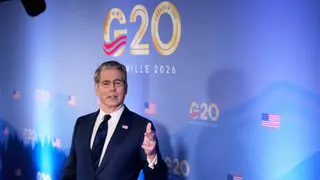
Finance leaders from the Group of 20 concluded their talks in North Carolina with a joint statement that all participants except China endorsed. The US Treasury Secretary downplayed any disruption from Russia's attendance, while European officials voiced discomfort over Moscow's presence. The statement also urged safe passage through the Strait of Hormuz, a clause Beijing refused to support.
The joint statement's passage came despite procedural friction, as a traditional G20 "family photo" was taken Monday without Russian Finance Minister Anton Siluanov following European protests. EU representatives said they received only short notice of his attendance, and Canadian Finance Minister Francois-Philippe Champagne acknowledged the presence created "discomfort" in discussions. EU economy chief Valdis Dombrovskis argued against normalizing Russia's participation, citing Moscow's ongoing war in Ukraine.
Beyond Russia, the gathering addressed Middle East tensions, with the statement urging safe navigation through the Strait of Hormuz—a clause Beijing rejected. China also dissented from language warning that "excessive and persistent imbalances" risk economic distortions, a reference critics apply to Chinese industrial overcapacity. The US used its rotating G20 presidency to rally support for Iran sanctions and reducing trade imbalances, while Germany separately accused Russia of a drone-related "hybrid attack" at a strategic airport.
The near-unanimous G20 statement may signal that multilateral economic coordination remains possible despite geopolitical fractures, but China's dissent on key clauses could weaken the group's collective authority on trade and maritime security issues. Divisions over Russia's participation may erode trust among Western allies in the forum's usefulness, potentially pushing critical negotiations to smaller groupings. The outcome could affect global market confidence, supply chain stability in the Gulf region, and the perceived legitimacy of international economic governance.