Expert: Fast-fashion brands face rising consumer weariness as EU weighs import tax
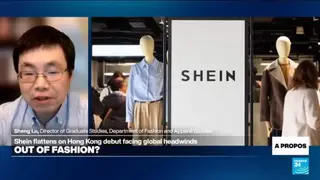
European textile associations have proposed a 10-euro levy on imported fashion goods to counter low-cost competition, largely from China. University of Delaware professor Sheng Lu questioned whether such a fee would force major retailers like Shein to alter their business models. He also noted that subtle shifts in shopper behavior suggest growing fatigue with ultra-cheap clothing.
European textile industry groups have formally proposed a 10-euro fee on imported garments, aiming to curb the dominance of low-cost producers, particularly from China. The measure would represent a direct challenge to the business models of ultra-fast-fashion platforms that rely on razor-thin margins and high-volume sales.
Professor Sheng Lu of the University of Delaware expressed uncertainty about whether such a levy would meaningfully force major players like Shein to restructure their operations. He pointed to emerging shifts in shopper behavior, describing "subtle changes" that indicate growing fatigue with disposable, ultra-cheap apparel—a trend that may prove as significant as any regulatory intervention.
This proposed import levy could reshape how European consumers access affordable clothing, potentially raising prices for budget-conscious shoppers while offering domestic manufacturers relief from intense price competition. If consumer fatigue with fast fashion continues growing, major retailers may need to pivot toward sustainability and durability to retain market share. Workers in both European and Asian garment industries could feel ripple effects, depending on how brands adapt their sourcing and pricing strategies.