September 2026 Skywatching: Venus, Pleiades, and a Diamond Moon
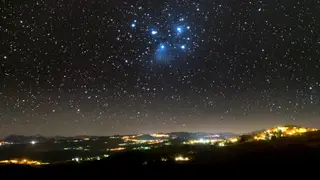
September offers several notable celestial events, including Venus appearing near the star Spica on September 1-2 and the moon passing close to the Pleiades cluster on September 3. Neptune will also reach its best viewing position for telescope users, and a minor meteor shower follows the Perseids. These events are visible to the naked eye or with basic equipment.
The Epsilon Perseids offer a quieter but well-timed follow-up to August's more famous shower, with rates around eight meteors per hour. Their peak falls just two days before the new moon, meaning darker skies and better visibility, particularly for observers in the northern hemisphere. The moon's September 3 pass near the Pleiades repeats on September 30, giving stargazers a second chance to catch the pairing at roughly one degree of separation. Venus, meanwhile, reaches its greatest brilliance on September 22, making it an unmistakable evening beacon even in areas with moderate light pollution.
These events may encourage casual observers to engage with astronomy using little more than their eyes or basic binoculars, lowering the barrier to scientific curiosity. Families and educators could use the September calendar as a teaching moment about planetary motion, star clusters, and meteor activity. The recurring moon-Pleiades encounters and Venus's brightness may also draw attention from amateur photographers and social media users, potentially boosting public interest in space science without requiring specialized equipment or expertise.