Family of D4vd's Alleged Victim Seeks Justice as Singer's Indigence Claim Contested
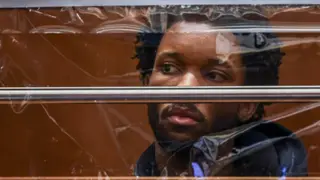
The family of Celeste Rivas Hernandez is demanding justice as singer D4vd, whose real name is David Anthony Burke, faces murder charges. Burke fired his legal team and switched to a public defender, claiming indigence, a move that is being heavily disputed. Prosecutors allege he killed Hernandez after she threatened to expose their relationship.
The case against Burke hinges on a timeline pieced together from digital and physical evidence: the victim arrived at his Hollywood Hills residence via rideshare at 10:10 p.m., and his phone and vehicle departed toward Santa Barbara County roughly 80 minutes later. Dismembered remains were later found in a Tesla registered to the singer, identified through dental records and a matching "shhh…" finger tattoo shared with the victim. A garage search uncovered evidence consistent with dismemberment, and the victim's passport was discovered along a Santa Barbara County highway.
Burke's financial status has become a central legal flashpoint. Family attorney Patrick Steinfeld submitted Texas state documents showing the singer owns and directs three LLCs spanning entertainment, merchandising, and publishing, arguing he could direct those companies to fund his defense rather than burden taxpayers. The case has already cost Burke his label deal with Darkroom/Interscope and his tour, while a five-day preliminary hearing in July exposed graphic testimony regarding blood stains found at the scene.
This case could reshape public perception of rising artists and the legal system's handling of indigence claims, particularly when defendants previously enjoyed significant commercial success. The dispute over Burke's financial status may prompt scrutiny of how courts evaluate wealth held through corporate structures, potentially influencing future rulings on public defender eligibility. The graphic nature of the allegations could also intensify conversations about power dynamics in the music industry and the protection of minors, affecting how labels vet artists and how fans respond to accusations against their favorite performers.