Solar Installations on School Campuses Deliver Big Savings and Educational Benefits
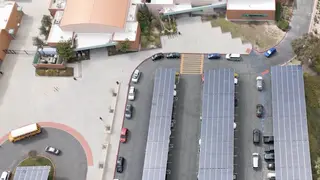
More than 7 million K-12 students now attend solar-powered schools, with districts using the savings to free up budget space for other priorities. Examples include a Massachusetts middle school saving $35,000 annually and a Connecticut elementary school installing rooftop solar without high upfront costs. Studies suggest Pennsylvania schools could save up to $342 million statewide and North Carolina school rooftops could power 150,000 homes each year.
The financial case for school solar is bolstered by third-party partnerships that remove upfront cost barriers, as seen in Connecticut’s Andover Elementary, where collaborative installation lets districts reap immediate savings. Beyond direct budget relief, projects like Harlem Consolidated’s leased community solar array generate dedicated funding streams—here, $10,000 annually in scholarships for 25 years. Educational integration is also common, with schools like Friedman Middle using panels as teaching tools. Larger systems, such as Sonoma State’s parking-lot canopies with battery storage, add resilience against outages while providing shade, and the University of Arkansas reports multi-million-dollar yearly savings from its new array.
Widespread school solar adoption could reshape district finances, freeing millions for instruction, staff, or facilities—particularly in cash-strapped rural or urban systems. Students may gain hands-on STEM learning opportunities, potentially sparking interest in clean-energy careers. Community solar projects could also lower local electricity costs and strengthen grid reliability, benefiting households beyond the schoolyard. However, outcomes depend on state policies, utility rates, and financing access, meaning savings may vary widely across regions.