U.S. hits Iranian Revolutionary Guard targets as conflict enters seventh month
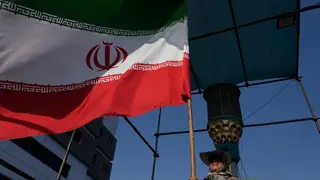
U.S. Central Command said Tuesday's strikes targeted IRGC air defense, radar, maritime, and communications sites. One strike reportedly killed five people at a wedding, including a child. President Trump said he is not seeking to force negotiations, citing U.S. control over the Strait of Hormuz and Iran's collapsing economy.
Tuesday's strikes mark a continued escalation in a campaign now entering its seventh month, with Centcom reporting hits on air defense, radar, maritime, communications, and mine-laying infrastructure. The civilian toll emerged separately, with one strike striking a wedding gathering and killing five people, including a child, according to wire reports. More than 50,000 U.S. personnel remain deployed across the region.
The strikes follow the collapse of a June memorandum of understanding, which fell apart amid competing claims over control of the Strait of Hormuz. Washington has maintained a naval blockade on Iranian oil exports, while Tehran's media has made unverified claims of successful attacks on U.S. forces in Jordan and at Al Minhad Air Base—claims both U.S. officials and the UAE Defense Ministry have denied.
This sustained campaign could reshape regional stability and civilian safety, as strikes reportedly killing noncombatants may fuel anti-American sentiment and complicate any eventual diplomatic settlement. The conflict's duration also carries economic ripple effects, particularly for global oil markets dependent on Hormuz transit. Domestic U.S. political dynamics may shift as casualty reports and civilian deaths enter public discourse, potentially influencing public opinion on military engagement.