How to get the most out of your Dolby Atmos soundbar
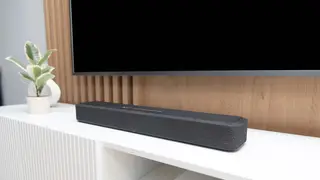
To experience Dolby Atmos properly, ensure your content and devices support the format and connect via eARC. Set your TV's audio output to Bitstream so the soundbar decodes the signal. Place the soundbar so its upward-firing drivers can reflect sound off the ceiling, avoiding enclosed spaces.
Dolby Atmos soundbars achieve their immersive effect through either physical upward-firing drivers that bounce audio off ceilings or digital processing that simulates height channels, with the former generally delivering superior results. Proper setup requires verifying that streaming subscriptions, Blu-ray players, and connected devices actually output Atmos-encoded content, and that the soundbar connects through eARC so it can decode the bitstream signal itself. Placement matters significantly — the bar should sit at ear level, parallel to the listening position, with clear paths to flat ceilings and walls free of obstructions like fans or light fixtures. Compact alternatives without up-firing drivers, such as the Sonos Beam, offer more flexible placement for smaller rooms.
This guidance could help consumers who have invested in premium audio equipment but feel underwhelmed by their experience, potentially reducing frustration and returns. As home entertainment shifts toward streaming and spatial audio becomes more common, understanding proper setup may become increasingly important for casual viewers and audiophiles alike. However, the technical requirements — from subscription tiers to room geometry — could also widen the gap between idealized marketing and real-world usability.