UN report says cooling back to 1.5°C is possible, but scientists doubt it
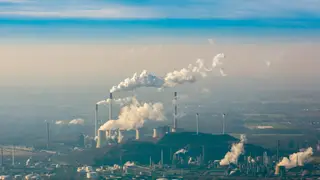
A UN Environment Programme report acknowledges that global warming will likely exceed 1.5°C in the near future, yet claims temperatures could be reduced to that level by 2100. Many researchers view this outcome as highly unlikely. The report also emphasizes the need for transformative adaptation to address the severe impacts of overshooting the target.
The UNEP report's pathway back to 1.5°C depends on two simultaneous efforts: cutting global emissions in half by 2035 and deploying carbon removal technology at roughly 100,000 times its current scale. With emissions still climbing worldwide, the first condition already appears out of reach, while the second faces practical hurdles—forest-based removal lacks sufficient land, and direct air capture remains prohibitively expensive.
Even if temperatures were successfully brought back down, the report's authors stress this would not restore the pre-warming world. Irreversible losses across ecosystems and communities would persist, meaning adaptation strategies must be redesigned for fundamentally altered conditions rather than temporary disruption.
This report could reshape public expectations about climate targets, potentially shifting discourse from prevention toward management of unavoidable damage. Communities in vulnerable regions may face heightened food and water insecurity as adaptation planning accelerates. Policymakers could use the overshoot acknowledgment to justify bolder adaptation funding, though the scale of carbon removal described may also invite skepticism about technological solutions. The gap between official scenarios and scientific doubt could influence how seriously the public treats future climate commitments.