Snake embryo coiling linked to growth mismatch between body and gut
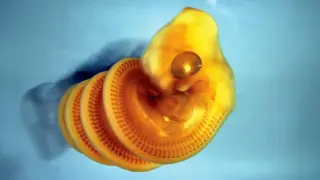
Using CT scans of over 900 snake embryos, researchers found that the embryo's body grows faster than its gut, which acts as a tether and forces the body to buckle into a right-handed spiral. The study, published in Current Biology, explains a distinctive feature of snake development. The finding adds to understanding of how spiral structures form in nature.
The research team examined embryos from 39 species of snakes and other limbless squamates, drawing on photographs from published studies and museum archives. Because the embryos lacked functional muscles during the early stages, the coiling could not result from active movement, pointing instead to a mechanical explanation rooted in differential growth rates.
The study emerged from a COVID-era constraint when lab access was impossible. Miyashita's prior interest in asymmetrical animal forms led him to question whether snake embryo coiling showed directional bias. CT imaging by collaborator Raul Diaz revealed the internal anatomy, showing how the gut's slower growth relative to the body creates the tethering force that produces the distinctive right-handed spiral.
This research could deepen public understanding of how physical forces shape biological development, with potential implications for developmental biology and evolutionary science. Educators may use the findings to