Cricket's speed king: Percy Fender's 1920 record endures
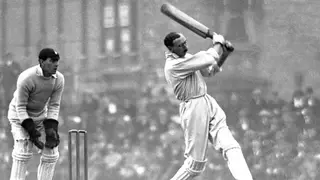
In 1920, Percy Fender scored a first-class century in just 35 minutes for Surrey against Northamptonshire. Although other rapid centuries have been recorded, they lacked the competitive authenticity needed to challenge Fender's mark. His achievement remains the benchmark for batting speed in cricket history.
Cricket’s oldest batting records often carry a mystique that modern analytics struggle to puncture, and Percy Fender’s 1920 feat stands as a prime example. His 35-minute century for Surrey against Northamptonshire was achieved in an era of uncovered pitches and attacking strokeplay, yet no later batter has matched it under comparable first-class conditions. While some faster knocks exist in exhibition or minor matches, they lack the rigorous competitive framework that defines Fender’s mark. The record endures not merely as a number, but as a testament to how a single innings can define a career across a century of changing cricket.
This story could reinforce how sports fans value historical benchmarks, especially in an age of data-driven comparisons. It may prompt renewed debate about whether modern batting conditions—flatter pitches, shorter boundaries—make old records more or less impressive. For cricket enthusiasts, it offers a touchstone of nostalgia and a reminder that athletic achievement is always measured against its era. The record’s endurance could also inspire younger players to study vintage techniques, though its practical impact on the sport’s evolution remains limited.