San Francisco Dems oppose billionaire tax, deepening rift within California left
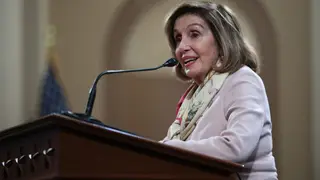
The San Francisco Democratic Party voted 17-4 against Proposition 40, a proposed 5% wealth tax on billionaires. The California Democratic Party had endorsed it in August. Critics worry the tax could drive wealthy residents away, harming state revenue.
The measure targets roughly 200 billionaires holding over $2 trillion in assets, with a one-time 5% levy on net worth as of January 1, 2026. Payments could be stretched over five years at added cost, and 90% of revenue would fund healthcare. The Legislative Analyst’s Office warns that collection amounts are highly uncertain due to stock-price volatility and possible taxpayer avoidance, including relocation. Six billionaires have already left California before the year-end deadline, and Mark Cuban noted that many startup founders are “cash poor, stock rich,” making such taxes difficult to pay without selling shares.
The San Francisco vote follows the state party’s August endorsement, which passed narrowly above the 60% threshold. Nancy Pelosi declined to take a position. Opponents point to California’s heavy reliance on wealthy residents for income-tax revenue, estimating that behavioral responses could reduce ongoing state collections by less than $1 billion annually, while administrative costs would add tens of millions. Billionaire-backed countermeasures—Propositions 41 and 42—would complicate or void the tax if passed.
This rift may signal broader voter hesitation about wealth taxes, even in progressive strongholds. If Prop 40 fails, it could discourage similar proposals elsewhere, as concerns about billionaire flight and revenue volatility resonate beyond California. Conversely, passage could embolden other states to pursue wealth taxes, reshaping how high-net-worth individuals choose residency. The outcome affects not only the roughly 200 billionaires but also state healthcare funding, middle-class taxpayers who rely on services, and the political credibility of progressive tax reform—potentially influencing national debates on economic inequality and fiscal policy.