EU ministers weigh tougher sanctions after Germany accuses Russia over airport drone strike
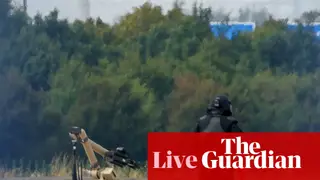
The European Union's foreign policy chief described the recent drone incident at Leipzig airport as bearing signs of state-backed terrorism, as she opened informal ministerial discussions in Ireland. The talks aim to consider additional measures against Russia, which Germany has officially held responsible for the attack. Diplomatic protests have also been lodged by the EU and France with Russian representatives.
The informal ministerial gathering in Wicklow marks a shift in EU diplomatic posture, with Kallas explicitly framing the Leipzig incident as a potential catalyst for unified action. Germany's formal accusation has triggered parallel diplomatic responses, including summons of Russian representatives by both the EU and France, signaling coordinated pressure.
Beyond the immediate incident, discussions extend to broader Ukraine support, with Kallas urging member states to intensify their efforts amid ongoing Russian escalation. Separate high-level meetings between von der Leyen and NATO's Rutte, alongside Macron's diplomatic visits to the Netherlands and Britain, indicate the incident is shaping wider European security discussions across multiple channels.
This incident could accelerate EU consensus on tougher sanctions, potentially affecting European businesses and consumers through expanded trade restrictions. It may also heighten public concern about infrastructure vulnerability to drone attacks, prompting increased security spending across European airports and transport hubs. The "state-sponsored terrorism" framing could strengthen political will for unified action, though member states with closer economic ties to Russia may resist further measures, creating potential friction within the bloc.