Woods Accepts Deal in Florida Crash Case, Avoids DUI Conviction
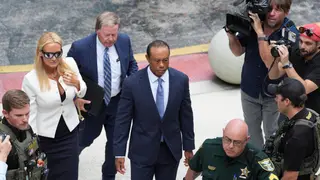
Tiger Woods entered a plea agreement on a reckless driving charge stemming from a March rollover crash on Jupiter Island, Florida. He had previously pleaded not guilty to a DUI charge; deputies found pain pills in his pocket and noted signs of impairment, though a Breathalyzer test was negative. Neither Woods nor the other driver was injured, and he has not yet returned to tournament play.
Woods’ plea deal reduces the original DUI charge to reckless driving, a common outcome when impairment evidence is contested. The March crash occurred on Jupiter Island, where deputies found two pain pills in his pocket and noted impairment signs, but a negative Breathalyzer and his refusal of a urine test weakened the case. He faces no jail time under the agreement, though court costs and probation terms were not detailed. The other driver was unharmed, and damage to the truck was estimated at $5,000.
This incident adds to a history of driving-related troubles for Woods, including a 2009 crash that led to a tour hiatus. His current absence from tournament play continues, with no return date announced. The plea avoids a criminal conviction, which could have affected his ability to travel for international events, but his focus remains on recovery from recent surgeries and managing his pain medication dependence.
This case may influence public perception of Woods as a comeback figure, given his past struggles with addiction and injury. For golf fans, it could delay anticipation of his return, while for legal observers, it highlights how plea bargains handle celebrity DUI cases with mixed evidence. The outcome may also prompt broader discussion about prescription painkiller use among athletes, though its direct societal impact is limited to reinforcing existing narratives about accountability and second chances.