Scientists Probe Role of Thawing Permafrost in Nepal's Deadly Flood
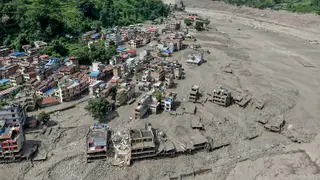
A flash flood in Nepal last week killed over a thousand people and left thousands missing. Researchers analyzing satellite imagery believe a landslide triggered by thawing permafrost dislodged part of a glacier, causing an ice avalanche that mixed with rock and water. Scientists worldwide are collaborating to determine the exact sequence of events.
The disaster unfolded when a massive section of mountainside, not just the glacier itself, gave way. Researchers suspect that thawing permafrost weakened the rock, allowing meltwater to penetrate fractures and destabilize the slope. This triggered a landslide carrying a piece of glacier, which accelerated rapidly, generating friction that melted ice and contributed to the torrent.
Scientists from multiple countries are coordinating through a shared online channel, analyzing satellite imagery to reconstruct the sequence. They note that sediment-heavy floods in the Himalayan region have become more frequent over the past decade, with warming conditions likely playing a role. Nepal has requested $5 billion from the UN climate fund, attributing the event to climate change.
This event could reshape how vulnerable mountain communities assess risk, as permafrost thaw becomes a more recognized hazard beyond just glacier retreat. The loss of life and displacement may pressure governments to invest in early-warning systems and infrastructure resilience. It could also influence international climate finance discussions, as nations seek compensation for damages linked to warming, though attributing any single flood to climate change remains scientifically challenging.