Balladur's political model: innovative but out of touch with voters
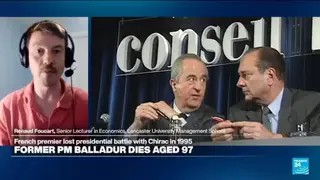
A political scientist argues that Edouard Balladur's tenure as prime minister demonstrated the viability of cohabitation and economic reform, yet his failed presidential bid revealed a shift in French politics. Voters increasingly favored leaders who could connect personally over those with technocratic competence and institutional authority. Balladur's legacy is thus a paradox of innovation and irrelevance.
Balladur served as prime minister under Socialist President François Mitterrand, a period that proved ideological opponents could share power through cohabitation while still advancing privatisation and economic reforms. Political scientist Renaud Foucart of Lancaster University highlights this as an innovative governance model that functioned effectively despite its unusual structure.
His failed presidential campaign, however, marked a turning point. Foucart argues that French voters were increasingly drawn to candidates who demonstrated personal connection over those relying on technocratic expertise, elite credentials, or institutional standing. This shift rendered Balladur's approach — once seen as modern — progressively outdated, creating the paradox of a reformer whose innovations outlived his electoral relevance.
This analysis could influence how political observers interpret France's evolving electoral landscape, particularly as the presidential campaign intensifies with far-right and far-left candidates leading polls. The emphasis on personal connection over institutional competence may shape expectations for future candidates, potentially encouraging parties to prioritise charisma and relatability in their selections. Voters, meanwhile, may continue gravitating toward figures who project authenticity, even when such leaders offer less detailed policy platforms than technocratic predecessors like Balladur.