Perez Hilton's Livestreamed Suicide Attempt Prompts Reflection on His Controversial Career
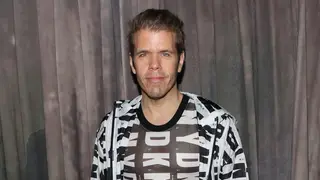
Following Perez Hilton's livestreamed suicide attempt, industry insiders are reassessing the gossip blogger's influence and past behavior. Hilton, who built his fame on celebrity insults and shock tactics, had previously vowed to change his ways. The incident has sparked a broader conversation about online toxicity and the legacy of the self-proclaimed 'original influencer.'
Hilton, born Mario Lavandeira, built his platform on mocking celebrities with crude nicknames and digitally altered paparazzi photos. His 2010 public reversal came after criticism for participating in an anti-bullying campaign while being accused of being the blogosphere's most notorious bully. The suicide of Tyler Clementi, outed online, became a cultural flashpoint in that moment.
The transformation was reportedly influenced by a face-to-face encounter with Jennifer Aniston, a frequent target he had nicknamed "Maniston." She confronted him in a parking garage, asking why he was so mean. Hilton later credited Lady Gaga with supporting his decision to change, and he appeared on Ellen DeGeneres' show to announce his new approach.
This incident could prompt renewed scrutiny of how online personalities balance influence with accountability. Hilton's career trajectory — from shock blogger to self-proclaimed "original influencer" — may serve as a cautionary tale about the lasting effects of internet toxicity, both on targets and on the perpetrators themselves. The conversation may extend to how platforms handle livestreamed crises and whether public figures who built careers on negativity can genuinely reform.