Sports bettor weighs benefits and drawbacks of prediction markets
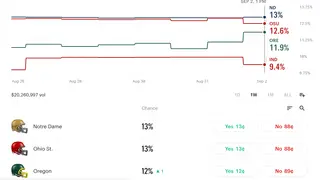
A sports bettor shares his perspective on using prediction markets for wagering. He outlines the advantages and disadvantages that bettors should consider before diving in. The piece offers practical advice for those new to this betting format.
Prediction markets, where participants trade on the likelihood of future events, have grown in popularity as an alternative to traditional sportsbooks. Unlike fixed-odds betting, these platforms let odds shift dynamically based on collective sentiment, often attracting bettors who value flexibility and real-time information. However, they also introduce complexities such as liquidity concerns, varying fee structures, and regulatory gray areas. For newcomers, the learning curve can be steep, and the lack of standardized rules across platforms adds risk. This bettor’s perspective highlights a broader trend: as legal sports betting expands, more casual wagerers are exploring nontraditional venues, weighing the appeal of market-driven pricing against the familiarity of conventional bookmakers.
This story could influence how casual sports fans approach wagering, potentially steering some toward prediction markets without fully grasping their volatility or legal status. New bettors may be drawn by the promise of smarter odds, but they could also face unexpected losses or platform instability. Regulators and sports leagues may watch this trend closely, as it blurs lines between gambling and financial speculation. Ultimately, the piece serves as a cautionary note, though its impact depends on how widely such advice is heeded.