Apple Maps adopts 'Lake America' for US users following presidential decree
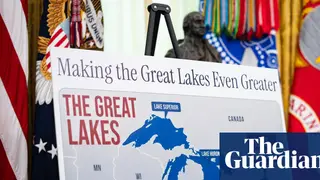
Apple's mapping service now shows 'Lake America' for U.S. users, following an executive order by President Trump. The move comes amid a trade conflict with Canada, where the lake's original name remains. Canadian officials have criticized the change, noting the name's Indigenous origins.
Apple’s change follows Google’s weekend adoption of the new name, with both companies citing the U.S. Geographic Names Information System. Outside the U.S. and Canada, users see both labels. The renaming stems from an executive order tied to a broader trade dispute, after talks collapsed and tariffs escalated on both sides. Canadian Prime Minister Mark Carney has publicly rejected the move, pointing to the lake’s Indigenous Wendat heritage. Meanwhile, MapQuest’s refusal to comply briefly made it the top navigation app on Apple’s App Store, signaling public pushback.
The lake sits on an international border, so the digital split creates two parallel geographic realities for users. Apple’s decision mirrors its earlier handling of the Gulf of America label, which remains in use despite limited acceptance beyond U.S. government channels. The episode highlights how private tech platforms become arbiters of politically charged naming, with user location determining which official designation appears.
This shift could deepen public confusion about shared geography, especially for travelers and educators relying on mapping tools. It may also set a precedent for tech firms complying with executive orders that touch on international landmarks, potentially straining cross-border digital services. Canadian users and officials may feel their heritage is being overwritten, while U.S. audiences might see the change as routine. The episode could influence how other companies balance legal compliance, user trust, and diplomatic sensitivity in future naming disputes.