After Tupac Verdict, Biggie's Murder Still Lacks Closure
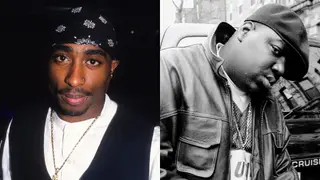
Duane 'Keffe D' Davis was convicted for his role in the 1996 drive-by shooting that killed Tupac Shakur. Davis had previously confessed to handing the gun to his nephew, Orlando Anderson, who was the alleged shooter. The verdict closes one of hip-hop's most notorious cases, but the murder of the Notorious B.I.G. still lacks a similar resolution.
The conviction stems from Davis's own admissions over more than a decade, including statements to federal detectives under a proffer agreement and interviews with media outlets. The other three men in the vehicle — Terrence Brown, DeAndre Smith, and Orlando Anderson — have all died, leaving Davis as the sole figure facing legal consequences.
The case traces back to a confrontation at the MGM Grand following a Mike Tyson fight, where Shakur and associates assaulted Anderson. The shooting later that night on the Las Vegas Strip killed Shakur. Meanwhile, Wallace's 1997 murder in Los Angeles followed his feud with Shakur, which began after Shakur accused Wallace of knowledge about a 1994 shooting at Quad Studios.
This verdict could provide a sense of accountability for those who followed the case for decades, while also highlighting the uneven nature of justice in hip-hop's most famous murders. The contrast between Davis's conviction and the unresolved Wallace case may renew public pressure on authorities and could shape how fans and artists discuss these events, though the passage of time limits what further resolution might achieve.