Climate shocks outpace adaptation, demanding rapid emission cuts
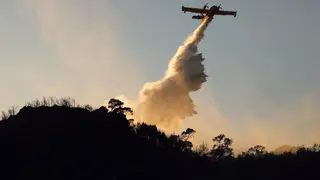
The northern hemisphere's 2026 summer has brought intense heatwaves, droughts, and wildfires, making climate threats tangible. While adaptation measures like heat training and infrastructure improvements are useful, they cannot fully protect against sudden severe events. The editorial argues that rapid emission reductions are essential to keep warming below 2°C and ensure a future we can adapt to.
The 2026 summer in the northern hemisphere produced a cascade of interconnected crises, including drought, energy shortfalls, crop failures, and deadly wildfires, alongside persistent heat. Forecasting tools such as satellite imagery, sensors, buoys, and computer models have improved early warning for some events, yet sudden disasters like those in Nepal and Tibet demonstrated that prediction has limits.
Adaptation strategies highlighted in the coverage include physical heat training that modifies circulatory response, revised summer routines, upgraded water infrastructure, changed farming methods, and building cooling systems. These measures offer partial protection but cannot fully address the speed and severity of climate shocks, reinforcing the argument that emission cuts remain the fundamental long-term solution.
This story could reshape public perception of climate risk, moving it from abstract future concern to immediate personal threat. Communities dependent on agriculture, outdoor labor, or strained energy grids may face the most direct consequences. Businesses and local governments could face pressure to accelerate infrastructure spending, while individuals may reconsider daily habits. The editorial's emphasis on adaptation limits suggests that even well-prepared societies remain vulnerable, potentially strengthening public support for aggressive emission reduction policies across multiple sectors.