Floating architecture offers a way to live with rising seas
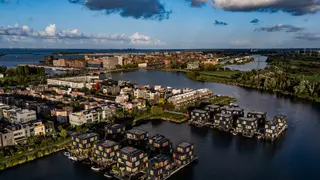
Photographer Alessandro Gandolfi's series Floating Futures documents floating homes in Amsterdam's IJburg district, designed to adapt to sea-level rise. These architect-designed houses feature solar panels and waste management, and are part of a Dutch philosophy of 'meebewegen'—moving with water rather than fighting it. The community includes 158 waterside homes, 55 of which float, offering a model for other coastal cities.
The Netherlands' vulnerability is stark—more than a quarter of its land sits below sea level, with roughly two-thirds exposed to flooding risk. IJburg's 158 waterside residences, including 55 floating structures, represent a deliberate response to this reality. The community prioritizes connection through bridges and roads, with boats commonly replacing cars at residents' doorsteps.
These are not repurposed houseboats but architect-designed homes featuring rooftop solar panels and integrated sewage management. The guiding philosophy, "meebewegen," translates to moving with water rather than opposing it—a mindset shift experts increasingly advocate as traditional dyke-raising proves insufficient against rising seas.
Coastal cities worldwide could look to IJburg as a working template for climate adaptation, potentially reshaping how urban planners approach waterfront development. Residents of low-lying areas may face significant disruption as conventional flood defenses become less viable, while property developers could see new opportunities in water-based housing. The model may also raise equity concerns, as such architect-designed communities tend to be affluent, potentially limiting access for the most vulnerable populations.