Pangram's Max Spero explains why AI detection is more nuanced than a simple binary
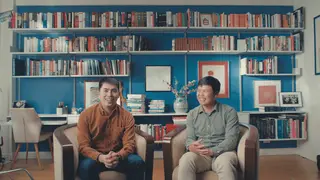
AI-generated text and images are infiltrating job applications, product reviews, and insurance claims, making it harder to trust online content. Pangram, which recently raised $9 million, provides AI detection technology and has partnered with Substack to label AI-assisted newsletters. In a video interview, CEO Max Spero discusses why detecting AI is more complex than a simple real-or-fake classification.
Pangram's $9 million funding round arrives as platforms increasingly struggle to verify content authenticity across multiple formats. The Substack partnership gives newsletter readers visibility into whether authors employ AI assistance, while the newly released image detection tool extends the company's capabilities beyond text-based analysis. Spero's conversation on TechCrunch's Equity podcast highlighted that AI detection operates on a spectrum—from fully human authorship to fully machine generation—rather than a straightforward real-or-fake determination.
The startup positions itself within a growing ecosystem of companies building verification infrastructure for the internet. With AI-generated material now surfacing in job applications, product reviews, and insurance claims, Pangram's technology addresses a widening gap between content creation and content verification. The company's approach suggests that labeling the degree of AI involvement, rather than simply flagging content as inauthentic, may become the emerging industry standard.
Pangram's technology could reshape how readers, employers, and insurers evaluate digital content, potentially establishing new norms for transparency in online publishing and professional communications. However, AI detection