Allies Can Counter U.S. Coercion Through Collective Action and Alternatives
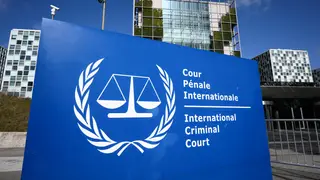
The Trump administration has increasingly used sanctions, tariffs, and threats to pressure U.S. allies into abandoning legal and institutional commitments, such as those related to the International Criminal Court. However, allies possess more leverage than they often realize by acting collectively, adjusting incentives for their companies, and building alternative frameworks. By raising the costs of Washington's coercive diplomacy, they can protect shared values and institutions.
The article details how U.S. sanctions against International Criminal Court personnel have created concrete personal and operational disruptions. Sanctioned individuals lost access to banking, email, and even everyday services, while outside contractors and NGOs reduced their cooperation with the court. These effects have rippled beyond the Palestine investigation that triggered the measures, hampering ICC work on situations in Sudan and Ukraine.
Washington's leverage depends on private actors abroad—banks and companies—choosing to comply with U.S. sanctions out of fear. Since the United States holds no formal role in the ICC's governance, its pressure campaign operates indirectly through financial and market access rather than institutional participation.
This standoff could reshape how allied governments and international institutions navigate pressure from Washington. If allies coordinate responses and shield their companies from U.S. enforcement, the ICC may continue functioning despite sanctions, potentially emboldening other multilateral bodies facing similar coercion. Conversely, inaction may signal that U.S. threats reliably override treaty commitments, affecting global confidence in international law and the willingness of officials to serve in sensitive roles.