China's economic resilience and AI advances defy western predictions
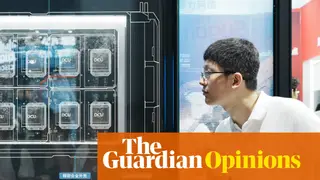
China has transitioned from low-cost manufacturing to high-end industries, including solar panels, batteries, and electric vehicles. It has also developed a domestically produced AI supercluster. The article argues that China's success challenges the narrative of its inevitable decline and offers lessons for Western economies.
China's industrial evolution has unfolded in distinct stages, moving from cheap assembly work to dominating solar panel production, battery manufacturing, and electric vehicles. The country now produces its own machine tools, eliminating reliance on German imports, a shift that has contributed to political pressures within Germany's manufacturing sector.
In July, Chinese startup Moonshot released its Kimi K3 AI model, matching US rivals like ChatGPT while offering free access. Demand was so overwhelming that subscriptions were paused within two days. Beijing's strategy involves staying near the technological frontier while diffusing models globally and setting international standards, positioning China as a direct competitor to the US in AI development.
This story could reshape how Western economies assess China's trajectory, challenging assumptions of inevitable decline. If China continues producing competitive AI models at no cost, global technology markets may face significant disruption, affecting investment patterns and corporate strategies. Western governments could respond with new trade measures or industrial policies, while businesses may need to adapt to a more multipolar technological landscape. The outcome could influence job markets, innovation incentives, and international economic cooperation for years to come.