UN says looming El Niño could be largest in a millennium, threatening global heat records
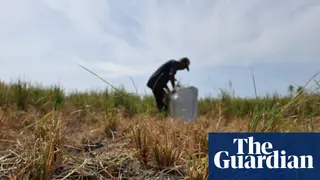
The United Nations warns that the current El Niño is intensifying rapidly and is likely to become the strongest in at least 1,000 years. Forecasts indicate it will push global temperatures to unprecedented levels, making 2027 potentially the hottest year on record. The phenomenon is already worsening wildfires in Indonesia and weakening monsoon rains in India, and could drive 50 million people into acute hunger.
The UN’s World Meteorological Organization has mobilized national weather services for the first time in its 50-year history, responding to forecasts that ocean temperatures in the central Pacific could reach 4°C above average by November. That anomaly would exceed the previous satellite-era record of 3.1°C set in 2015, and coral, tree-ring, and historical data suggest no comparable event in the past millennium. The current reading already stands at 2.6°C above the 30-year baseline.
Beyond temperature records, the phenomenon is compounding existing climate-driven disasters. Indonesia’s wildfires have worsened, India’s monsoon rains have weakened, and the World Food Programme estimates 50 million people could face acute hunger. Recent research also indicates that global heating is intensifying El Niño cycles themselves, creating a feedback loop that amplifies both natural variability and human-caused warming.
This event could strain food systems and disaster-response capacities across Asia, Africa, and the Americas, with the most vulnerable populations bearing the heaviest burden. If 2027 becomes the hottest year on record, heat-related deaths and economic losses may rise sharply, particularly in regions lacking adaptive infrastructure. The mobilization of national meteorological services suggests governments are preparing for cascading impacts, though the scale of potential displacement and agricultural failure could exceed current planning. The outcome may also intensify public pressure for faster emissions reductions, as the link between natural cycles and long-term warming becomes harder to ignore.