Fertilizer Costs Spike as Iran Conflict Disrupts Natural Gas and Shipping Lanes
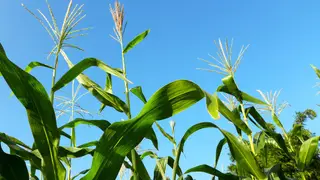
Rising fossil fuel costs, driven by the Iran conflict, have pushed fertilizer prices to their highest levels since 2022, with urea exceeding $850 per metric ton. The closure of the Strait of Hormuz, a key route for fertilizer shipments, threatens access for the world's poorest nations. Researchers are exploring alternative fertilizers that could reduce dependence on natural gas and lower both costs and emissions.
EXPANDED:
The conflict has damaged or idled 31 ammonia plants across the Middle East, with another 20 facilities in Russia already knocked offline in recent years, removing substantial production capacity from global markets. Because natural gas serves as both fuel and chemical feedstock for ammonia, the price link is direct and immediate. The Strait of Hormuz closure affects roughly one-third of seaborne fertilizer trade, and the World Bank warns that the world's poorest nations face the greatest access challenges.
Companies like Pivot Bio and Switch Bioworks are developing microbe-based fertilizers that bypass natural gas entirely. Pivot Bio reports its products are already cost-competitive with chemical fertilizers and has offered farmers three-year price locks to