Rare Cozumel raccoons show first known tool-play culture in their family
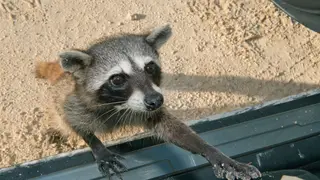
A young pygmy raccoon on Cozumel Island was observed turning paper trash into a ball and playing with it, a behavior later seen in her family members. Researchers say this is the first documented case of material culture—learned use of objects—in the raccoon family Procyonidae. The finding emerged from a study of how tourism affects these critically endangered animals.
The observation occurred at a beach club on Mexico's Cozumel Island, where the critically endangered pygmy raccoons live alongside tourists. The behavior involved dunking a paper receipt in water, rolling it in sand, and batting it as a play object. The study, published in the journal *Wild*, was led by Miami University researchers Nessie O'Neil and Michelle Szydlowski.
The pioneering raccoon later died, likely from malnutrition and toxic exposure to human waste, yet her sibling continued making paper balls afterward. This marks the first documented material culture in Procyonidae, a family including raccoons, coatis, and ringtails. Similar learned tool-use behaviors have previously been observed in chimpanzees, pigs, and dolphins.
This finding could reshape public perception of raccoons, which are often dismissed as pests, by highlighting their cognitive complexity and capacity for social learning. Conservation efforts for critically endangered species may gain stronger public support when animals are recognized as intelligent, culturally transmitting beings. The study also raises questions about how human waste and tourism environments inadvertently shape wildlife behavior, potentially informing future conservation strategies for species living in human-dominated habitats.