Democratic leader weighs punishment for centrists who backed GOP rule
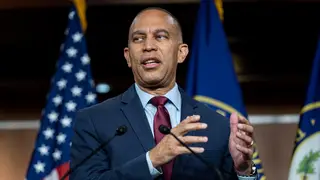
House Minority Leader Hakeem Jeffries is under pressure from liberal members to discipline two centrist Democrats who supported a Republican procedural vote, but other party colleagues warn that punitive measures could backfire ahead of the November midterms. One of the defectors, Rep. Jared Golden, is retiring, while Rep. Marie Gluesenkamp Perez faces a tough reelection, complicating any response. Jeffries must balance appeasing the base with protecting vulnerable incumbents and maintaining party unity on procedural votes.
The procedural vote in question governed a package of Republican messaging bills touching on socialism, environmental rules, and Israel boycotts. Five GOP members had broken ranks to protest Speaker Johnson's handling of government funding legislation, leaving the rule short of passage until Golden and Gluesenkamp Perez supplied the decisive votes. Both lawmakers justified their move as necessary to secure a floor vote on a measure aiding Atlantic lobstermen.
Jeffries faces a precedent problem: procedural rules have traditionally been treated as strictly partisan matters, and tolerating defections could encourage future cross-party maneuvers. The Phil Gramm episode looms as a warning—after Democrats stripped him from the Budget Committee in the 1980s, he resigned, switched parties, and won his seat back as a Republican. A thin Democratic majority next year would amplify these tensions.
This episode could shape how party leaders manage dissent in a narrowly divided House, where every vote carries outsized weight. If Jeffries punishes Gluesenkamp Perez, it may energize her GOP challenger and potentially cost Democrats a seat in an election that could determine control of the chamber. Conversely, inaction may embolden other centrists to cross the aisle, weakening party discipline on procedural matters. The outcome could influence how reliably either party can advance its agenda in the next Congress, affecting voters' expectations of legislative functionality.