Public safety officials warn steep drone import taxes will hinder rescue operations
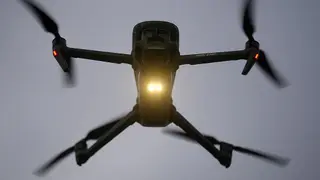
The Trump administration imposed a 100% tariff on certain imported drones, with additional levies on smaller models and those from allied nations. Critics argue this will sharply increase costs for law enforcement and fire departments that depend on thermal drones for search-and-rescue and wildfire tracking. A Cleveland-area official said the tariffs could put such drones out of reach for communities that need them most.
The tariff structure applies unevenly across drone types and origins. Thermal-imaging drones and those exceeding 55 pounds face the steepest 100 percent levy, while smaller models carry 25 percent. Drones from allied nations face 10 to 15 percent tariffs, and non-thermal "nonsensitive" drones and components will see 25 percent tariffs beginning February 2027.
Beyond tariffs, the FCC is weighing whether to classify LiDAR-equipped drones as military-grade technology. Officials warn this could function as a retroactive ban affecting thousands of civilian operators. One city drone coordinator noted LiDAR serves collision-avoidance and safety functions, not combat purposes, urging regulators to narrow any such classification.
These tariffs could significantly strain local government budgets, particularly for smaller communities that rely on affordable thermal drones for life-saving operations. If costs rise sharply and FCC restrictions expand, police and fire departments may face delays in acquiring essential equipment, potentially affecting emergency response times. The policy may also reshape the commercial drone market, pushing businesses toward domestic manufacturers or alternative technologies,