Data center power demand outpaces grid expansion, creating timing gap
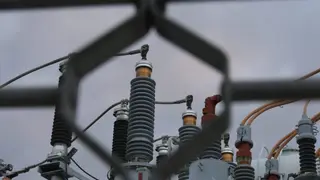
Data centers are projected to consume nearly 12% of U.S. electricity by 2030, up from about 2% in 2018. Utilities require years of planning to expand the grid, while tech companies build AI infrastructure rapidly. This mismatch could leave the grid unable to meet surging demand, according to experts.
The timing gap stems from fundamentally different operational paces. Tech firms can finance and construct AI data centers within roughly two years, while utility projects connecting to the grid took a median of five years to become operational in 2025. This disparity is compounded by a historical lull in grid investment, as utilities had excess capacity from expansions in the 1980s and 1990s and did not anticipate the current surge from AI, electric vehicles, and new manufacturing.
The immediate impact is likely to be a queue, not a blackout. Utilities typically avoid connecting customers they cannot serve reliably. Consequently, data center developers may face multi-year waits for full power or must accept provisional, interruptible connections. This bottleneck is a primary constraint on data center development, forcing a collision between rapid corporate demand and the deliberate, safety-focused planning required for grid reliability.
This mismatch could reshape the pace of technological advancement and economic development. Communities may see delays in job creation and tax revenue if data centers are stalled, while consumers could face higher bills if grid upgrades are passed on to ratepayers. The situation may also force a strategic choice between rapid AI deployment and grid reliability, potentially impacting the U.S.'s competitive position in AI if power access becomes a limiting factor.