Fruit fly-inspired algorithm learns new smells without erasing old ones
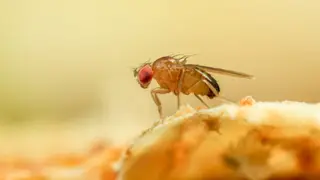
Researchers at the Okinawa Institute of Science and Technology developed Spi-Fly, an algorithm that mimics fruit fly olfaction using sparse coding. It enables rapid learning of new odors while retaining previously learned ones, avoiding the catastrophic forgetting common in current electronic noses. The approach could improve machine learning systems that need to adapt continuously without losing prior knowledge.
The algorithm's design mirrors the fly's biological architecture, where roughly 2,000 Kenyon cells receive sparse, randomly wired signals from odor receptors. A pair of APL neurons then fires global inhibition, silencing nearly all cells except those forming the odor's unique "barcode." This mechanism allows rapid learning without overwriting existing memories.
Commercial electronic noses from companies like Alpha MOS and Aryballe currently serve food quality control, environmental monitoring, and security screening, but require extensive retraining for new tasks. The research builds on Buck and Axel's 1991 discovery of the olfactory receptor gene family, which earned a Nobel Prize in 2004. Spi-Fly operates in simulation using pre-recorded sensor data.
S