Psychedelic compound may shield nerves from chemotherapy damage
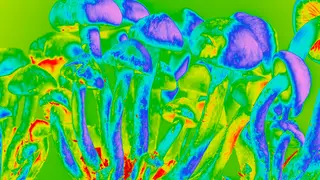
A study on nerve samples from mice and humans suggests psilocybin can prevent the nerve damage that often accompanies chemotherapy, which causes numbness and pain. The compound appears to preserve energy supply in nerve endings. Researchers caution against self-medication, as safety in cancer patients is unproven.
The study’s protective effect appeared specific to nerve endings, where psilocybin’s active form, psilocin, seemed to preserve mitochondrial transport along microtubules—the cellular “railways” that normally deliver energy to distant sensory fibers. In pain-sensitivity tests, mice receiving psilocybin before cisplatin reacted like untreated controls, while those given only chemotherapy showed heightened responses to light touch. The researchers also examined human nerve samples, though details on those experiments were not fully described in the available text.
This work marks the first preventive approach for chemotherapy-induced peripheral neuropathy, a condition affecting roughly three-quarters of cancer patients. Existing treatment relies on duloxetine, which only moderates pain. The team emphasized that psilocybin’s safety in people undergoing chemotherapy remains unproven, and it could interact dangerously with cancer drugs, so no one should attempt self-medication.
If replicated in clinical trials, this could transform cancer care by reducing dose interruptions and chronic pain that persist after treatment. Patients might maintain full chemotherapy regimens, potentially improving survival. However, the gap between lab findings and human application is wide, and psychedelic therapies carry regulatory and safety hurdles. The impact would be greatest for the millions facing neuropathy, but only if rigorous testing confirms efficacy and establishes safe dosing protocols alongside existing oncology treatments.