Tesla Rolls Out No-Steering-Wheel Robotaxis in Austin Amidst Widespread Public Reluctance
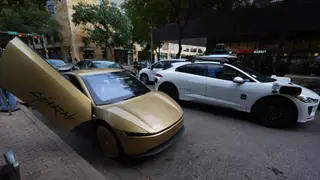
Elon Musk deployed fully autonomous Cybercabs without steering wheels or brake pedals in Austin, Texas, on Thursday. Tesla shares jumped over 5% on the launch, though the company trails rival Waymo in deployed vehicles. A Pew survey shows 70% of U.S. adults are uncomfortable with driverless rides, posing a significant adoption hurdle.
The newly deployed vehicles lack manual overrides, unlike Tesla's prior Austin service, which used steering wheels and safety drivers. Tesla currently runs over 200 driverless cars across six cities, while Waymo operates more than 4,000 across 14 locations.
Approval barriers remain significant. European regulators have not cleared even partial self-driving software, and U.S. investigations focus on low-visibility crashes and traffic-signal violations, including a fatal pedestrian incident. Gallup polling indicates safety skepticism has intensified over recent years.
The rollout could reshape urban transportation if public trust grows, potentially affecting ride-hailing workers and city traffic patterns. However, widespread discomfort may limit initial ridership, forcing Tesla to prioritize safety demonstrations and regulatory approvals. Heightened scrutiny could delay expansion, allowing rivals like Waymo to solidify their lead. Ultimately, this launch may set a precedent for how regulators and consumers evaluate fully driverless vehicles, influencing the broader autonomous vehicle industry's trajectory.