Łódź: A Polish City Transformed from Industrial Hub to Cultural Destination
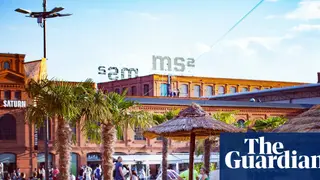
The author visits Łódź, a city known for its red-brick factories, and discovers a vibrant urban regeneration. At a Sunday market, he encounters sellers of historical military artifacts, including pistols and helmets, found during construction. The city's industrial past is now a backdrop for cafes and cultural spaces.
The city's transformation from a dense manufacturing center, historically nicknamed for its numerous smokestacks, illustrates a broader shift from heavy industry to post-industrial renewal. The repurposing of massive red-brick factory complexes into cultural and leisure spaces suggests a physical cleanup and reclamation of previously polluted urban land. This regeneration, highlighted by the restored Manufaktura area, shows how industrial heritage can be reimagined, potentially reducing the environmental footprint of abandoned manufacturing sites while fostering sustainable tourism and community use.
The revitalization of Łódź could serve as a model for other post-industrial cities grappling with environmental legacies. Residents may benefit from improved air quality and reduced soil contamination as former factory grounds are cleaned and repurposed. However, the influx of tourism and new businesses could also increase local emissions and strain infrastructure. The city's experience may inform urban planning policies aimed at balancing heritage preservation with climate-conscious development, potentially influencing how similar industrial hubs approach environmental remediation.