Anak Krakatoa eruption forces closure of five Indonesian airports
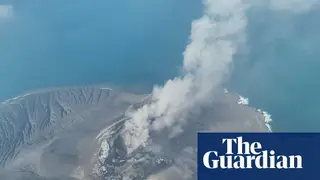
An eruption from Anak Krakatoa produced an ash cloud that led to the suspension of operations at five airports in Indonesia, including Jakarta's main international hub. The disruption affected 301 flights, with some international carriers cancelling services. The ash also interrupted fishing activities and some school sessions.
The initial blast produced loud rumblings audible across a vast distance, with two additional eruptions occurring the next day. Ash columns varied in height, peaking at 15,000 meters on the Sumatra side, which forced officials to keep the main airport closed until midday.
The fallout extended to daily life, as ash irritated eyes, prompting school closures and preventing fishermen from working. To mitigate the situation, disaster authorities planned cloud-seeding to trigger rain. The abrasive ash poses a serious hazard to jet engines and cockpit windows, explaining why major airlines cancelled services to regional hubs like Singapore and Doha.
Travelers could face prolonged disruptions as airlines navigate ash-related safety risks, potentially straining regional connectivity. Local residents may suffer respiratory issues and economic losses from halted fishing and school closures. Recurring eruptions could lead to sustained operational challenges for airports and communities, while weather modification might offer only temporary relief. The broader impact may extend to tourism and trade if ash clouds persist over major transit routes.